Hazara Solidarity Symposium
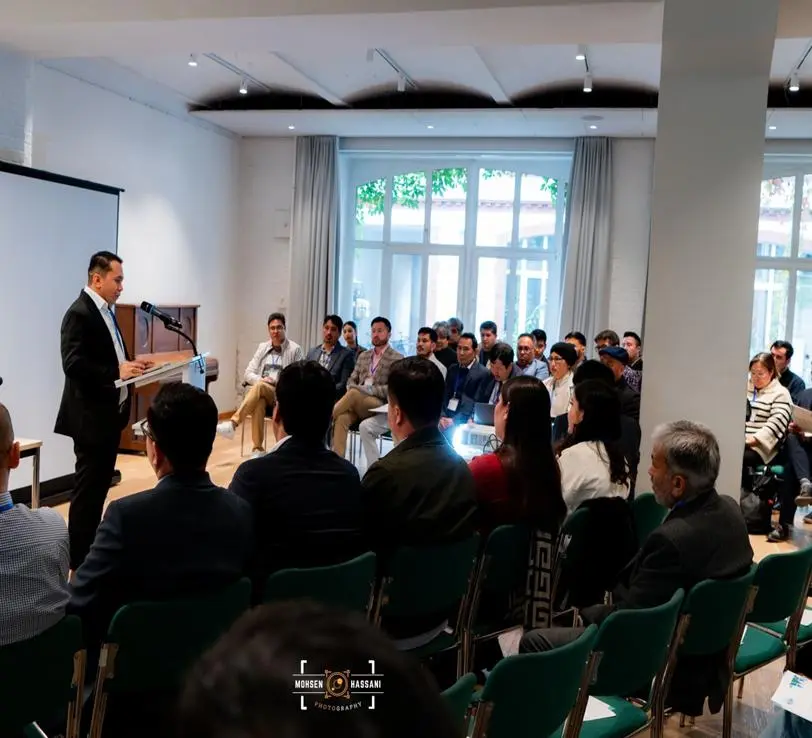
The organisations jointly discussed the federation structure, the statutes and the next steps.
The federation grew out of democratic dialogue among organisations, community leaders and specialists.
Hazara migrants in Germany have long been active in cultural and civic life. Formal and informal organisations operate in many states and cities. They preserve identity and culture, inform newcomers about laws and society, and strengthen integration as well as political and civic participation.
Alongside these achievements, the absence of a coordinating umbrella structure became increasingly clear. A shared structure can enable a unified dialogue with public, private and cultural institutions and strengthen collective impact.
After several rounds of dialogue, leaders of Hazara associations and specialists proposed establishing the “Federation of Hazara Organisations in Germany”. The federation pools shared resources and capacities while preserving the independence of every member organisation.
After three in-person meetings in Berlin, Erfurt and Düsseldorf and a year of continuous exchange, the federation was officially founded in Düsseldorf on 13 December 2025 with 16 associations and the support of 8 additional institutions.
The organisations jointly discussed the federation structure, the statutes and the next steps.
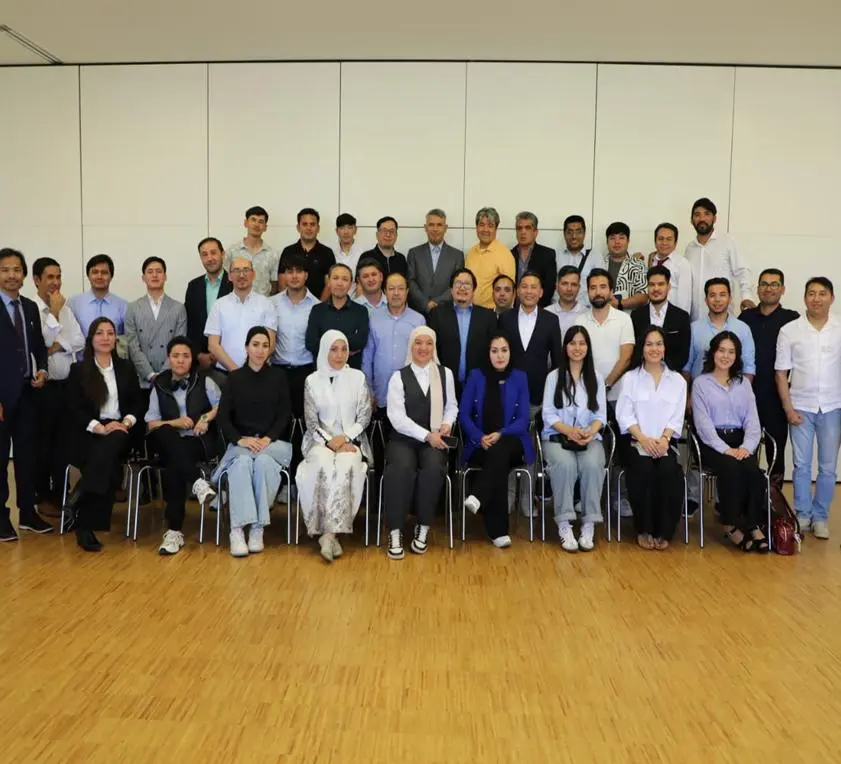
The organisations reviewed the draft statutes, consolidated feedback and agreed on the next shared steps.
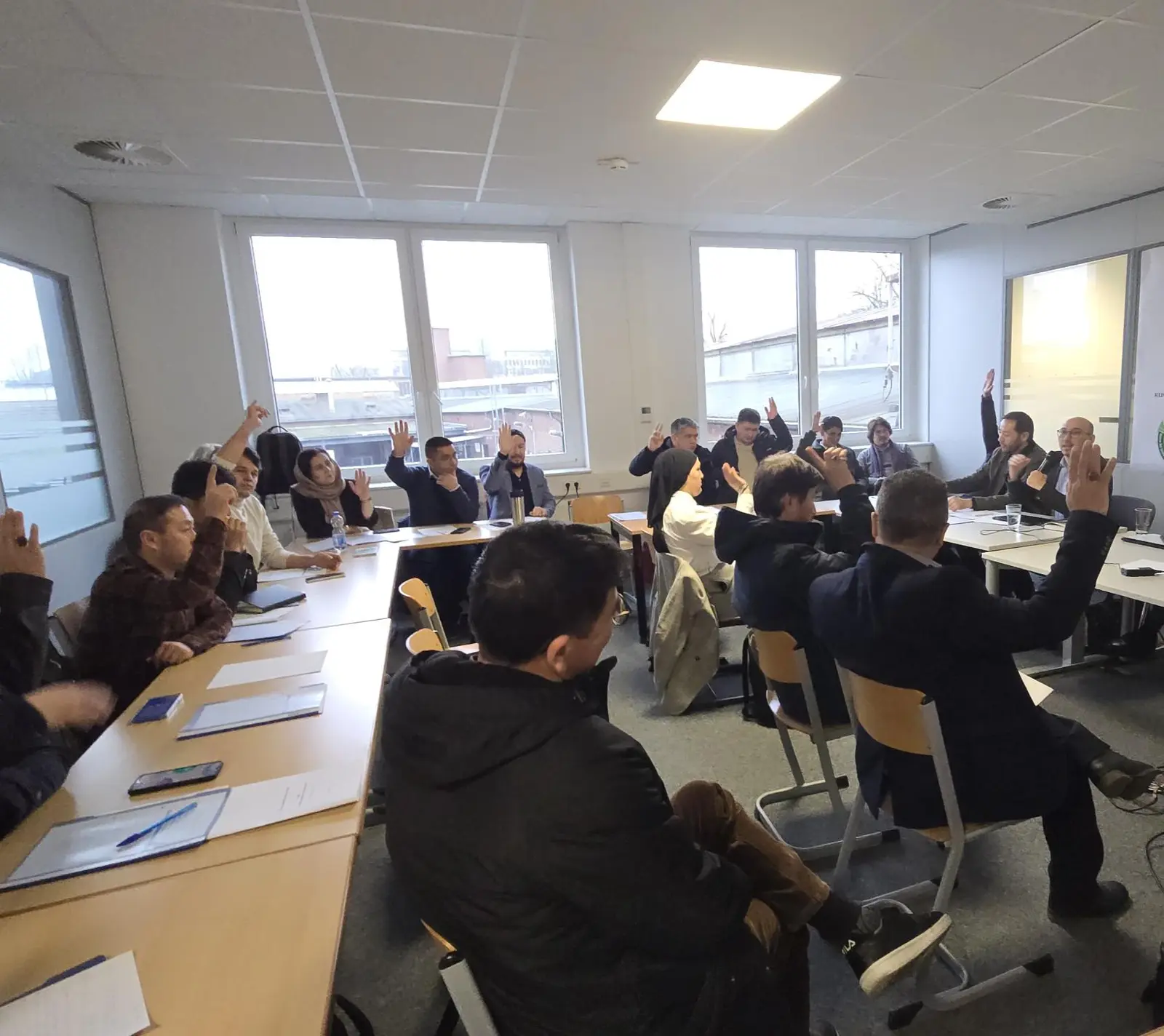
The federation was officially founded with 16 associations and the support of 8 additional institutions.
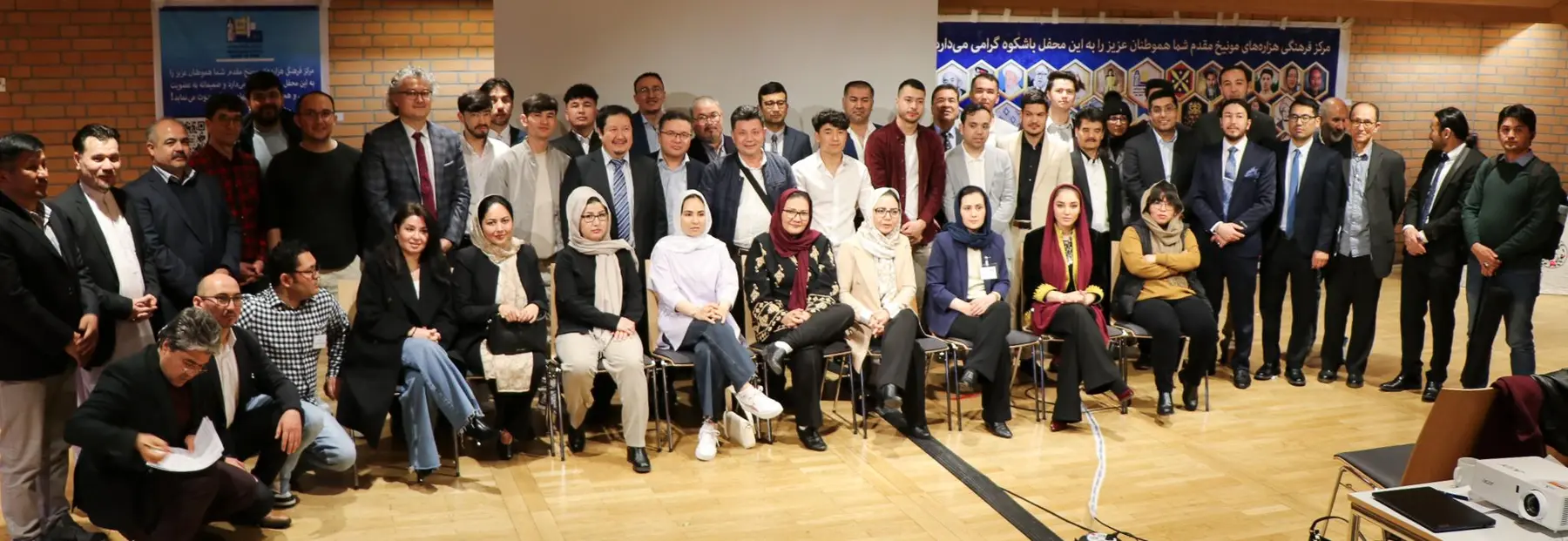
The public opening ceremony made the shared work visible and opened the next phase of cooperation.